What do you do when you witness someone blatantly disrespect another person? Do you intervene or silently stand by? One manager took the difficult stand to do what’s right.
When Character Matters More Than Quota
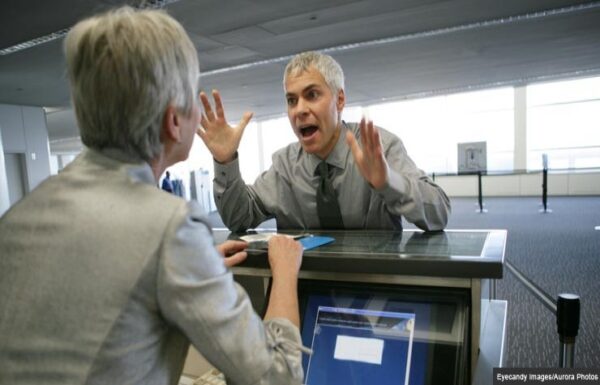
As I was waiting to check my bag at JFK last week, I watched a VP of Sales berate an airline agent. Loud. Entitled. Disrespectful.
Everyone in line heard him shout his title and what company he worked for; like it gave him the right and justification for his behavior. He wanted an upgrade, despite being late. And he wanted someone to blame for the situation he created.
He found that someone in the woman behind the counter.
But here’s the twist.
Standing on the line quietly behind him? His boss.
A Senior VP, that, ironically, I had coached years ago.
As he watched this unfold, he didn’t say a word. He didn’t need to.
Later, when we reconnected in the terminal, I asked, “What do you think about that experience we all observed?”
He nodded. “Yeah. I saw it. Heard it all. That guy works for me, on his way to our regional meeting. He’s one of my VP’s who oversees a team of front-line sales managers.”
“What are you going to do?”
He looked at me and very poignantly said, “His next meeting isn’t on his calendar yet.”
The next day, that VP had a meeting with HR and his boss.
It was his last.
Not for poor sales performance. Not for missing quota, which he exceeded. Not for the highest amount of turnover on any team, but for missing the moment to show character and live the values he’s supposed to honor.
People don’t separate the person from the company.
The Cost of Disrespect Isn’t in the Forecast
Here are the personal and company brand damage created, and the expense you never see in your reports.
- One negative review can cost a company 30 customers. If each spends $200, that’s $6,000 per review.
- A company with 10,000 employees could spend $7.6 million more in wages to compensate for a poor reputation.
- 93% of consumers read reviews. 80% won’t buy from companies with negative ones.
Everyone Talks. That’s Why It’s Called a Reputation
One negative public moment can cost you dozens of future customers.
One person, left unchecked, becomes the reason top talent looks elsewhere.
One moment of toxicity sends a message to your team that behavior doesn’t matter here, as long as you hit your number.
You can build your business and your personal brand for 20 years, and watch it unravel in 20 seconds.
Your brand isn’t a campaign. It’s every conversation.
Your actions shape not only your own reputation but the reputation of your peers, your team, your leaders, and your customers.
In texts, emails, client calls, meetings and how you show up outside the office.
Culture isn’t a thing we talk about. It’s a thing you may be tolerating.
And what you ignore, you endorse.
This VP made a decision most leaders wouldn’t.
He let go of a top performer because how they treated others mattered more than what they closed.
He sent a message to the rest of his team: Results matter, but not at the cost of our reputation.
And that’s leadership.
If you touch it, it’s your brand.
Not your marketing, website, or product.
It’s what people experience in the moments you don’t think matter.
Ask yourself:
1. If someone watched how you lead today, what would they learn?
2. If your team could describe your culture in one word, what would it be?
3. If you ran into a former employee ten years from now, what would you want them to say about you and the company?
4. If you ran into yourself ten years from now, what would you want to see?
This is your brand, your company’s brand, your legacy.
Fortunately, your brand is always under construction. If it’s strong, build on it. If it’s broken, rebuild it.
If you want to change company culture, start by changing the experience people have with you.
That’s where culture lives. One interaction at a time.
Your culture is not your logo, product, service or mission statement.
Your culture is you.
This is how you’ll be known, as well as your company.
The legacy and brand you have today was built on the choices you made yesterday. The legacy and brand you want tomorrow, is being built by the choices you make today.
That’s why the question to ask isn’t, “How do I protect my brand and my company’s brand?”
The question is, “What kind of brand am I creating every time I show up?”
It all starts with the next conversation you have.